
Pre-workout supplements: a waste of money or a real boost?
Published: 27 December 2025
Last updated: 27 December 2025
Reading time: 4-5 minutes
Categories Supplements
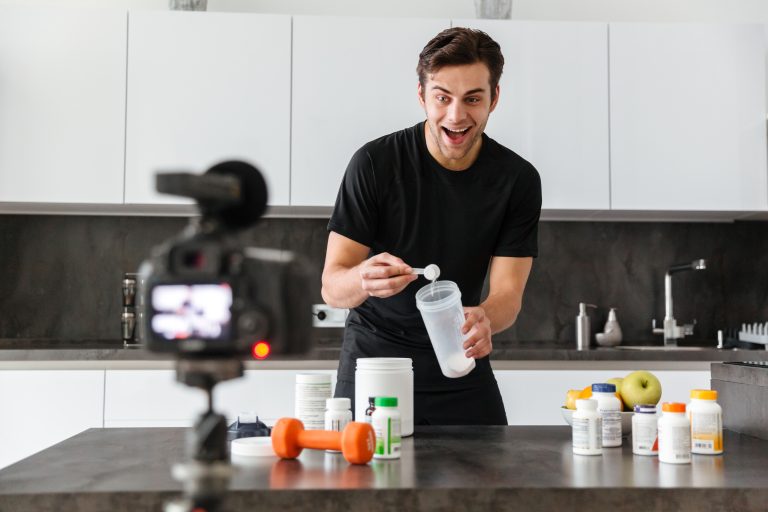
You're standing in front of the sports nutrition aisle and you see them: those brightly coloured tubs of pre-workout supplements. “Explosive energy!”, “Maximum focus!” and “Unprecedented pump!” the labels scream. The price? Not cheap. But the question you need to ask yourself is simple: do you actually need these?
As a recreational athlete who simply wants to perform better, get fitter, or lose weight, the answer for most people is surprisingly clear: probably not. Let me explain why.
What's actually in those pots?
Pre-workout supplements are a mix of different substances that are supposed to prepare your body for your training. The idea sounds logical: take it half an hour before you exercise, and you'll perform better. But the reality is more complicated.
Most products are packed with ingredients whose very names sound impressive. And that's precisely the problem: many brands cram in as much as they can, without it being clear how much of each ingredient is actually present. So, you're paying for a long list of ingredients, but are you getting enough of the substances that really work?
The ingredients: what does what?
Most pre-workouts contain a combination of ingredients, each serving a different purpose. Caffeine gives you energy and increases focus. Creatine aids explosive strength and short, intensive efforts. Beta-alanine is said to improve endurance during longer efforts. And then there are ingredients such as citrulline, which is said to improve blood flow to your muscles, causing that famous “pump”.
It sounds like a complete package, doesn't it? The problem is that these substances work in different ways, and not all of them have an immediate effect. Caffeine works within half an hour and gives you a clear boost. However, substances like creatine and beta-alanine only work after weeks of daily use. So, one dose before your workout actually does very little. If your pre-workout contains these ingredients, you're paying for it, but you're not getting the full effect.
What can you also get without supplements?
This is where it gets interesting: much of what pre-workouts promise, you can also achieve with simpler and cheaper alternatives. That energy boost from caffeine? You get that just as well from a few cups of strong coffee. That extra power from creatine? You're better off buying it separately and taking it daily. Cheaper and more effective.".
The question, therefore, isn't so much whether the ingredients in pre-workouts work. Some certainly do. The question is whether you need them in this form, or if you can achieve the same result more cheaply and effectively.
The marketing machine
The fitness industry is brilliant at selling pre-workouts. Sponsored athletes, extreme before-and-after photos, and claims suggesting you'll never reach your goals without this product. It creates a feeling that you're missing out if you don't use it.
Many products also list a “proprietary blend” on the label. A unique mix of ingredients. Sounds exclusive, right? In reality, it mainly means the brand doesn't have to say how much of each ingredient is in it. So you don't even know if you're getting enough of the active ingredients. You could be paying mainly for cheap fillers and colourings.
A pre-workout is useful for anyone who trains physically.
Let's not be too negative: there are situations where a pre-workout supplement can make sense. If you have a tough workout ahead of you and want to give yourself a mental and physical boost, it can help. Also, if you're going to the gym feeling tired after a long day at work, that extra energy can make the difference between a mediocre and a good workout.
But for the average recreational athlete who trains three to four times a week? Who has a healthy diet and gets enough sleep? Then a pre-workout adds little. Your body mainly needs a good foundation: enough carbohydrates for energy, sufficient protein for recovery, and a good night's sleep. If that foundation isn't there, no supplement will fix it.
The flip side of pre-workouts
There are also disadvantages to take into account. Regular use can lead to tolerance, meaning you need more and more for the same effect. In addition, you can develop a kind of psychological dependence: the feeling that you cannot train properly without your pre-workout.
And then there's the practical aspect: if you train in the evening, the stimulants in pre-workouts can disrupt your sleep. Poor sleep means less recovery, which in turn means your next workout will be less effective. So you're working against yourself.
Not to forget: good pre-workouts aren't cheap. If you calculate what you pay per serving and compare that to what you would pay for a cup of coffee or individual supplements, the difference becomes painfully clear.
My honest advice
If you're considering training without pre-workout, then go for it. You won't train worse without it, and you'll save money and potential side effects. Focus on the basics: eat a light meal with carbs a couple of hours before your workout, drink enough water, and get sufficient sleep.
Do you want something extra for intensive training sessions? Start with the simplest: a strong cup of coffee for an immediate effect. If you want to work structurally on better performance, consider individual supplements such as creatine, which you use daily. This way, you get more effect for less money.
And if you're really going for a ready-made product, make a conscious choice. Look at the ingredients list and the quantities, not at the flashy packaging or the sponsored athlete on the label. Many cheaper brands contain exactly the same active ingredients as the expensive versions.
The core: it's about your goals
Pre-workout supplements are not a miracle cure. They don't turn a bad workout into a good one, and they don't compensate for a poor diet or insufficient sleep. For many recreational athletes, they are simply not necessary.
That doesn't mean they're useless for everyone. But if you do opt for them, do so with realistic expectations and with the knowledge that you can probably achieve the same result with simpler and cheaper alternatives.
Ultimately, your commitment, consistency, and the foundation of your diet and lifestyle will determine your results. Not a brightly coloured pot of powder.
Do you want to know which nutrition and supplements are truly beneficial for your sport and goals? Book a free introductory session and discover how to train and eat smarter, without unnecessary supplements.
Get more out of every workout
Discuss your situation during a personal initial consultation.