
Caffeine and sport, does it really work and how much do you need?
Published: 26 November 2025
Last updated: 26 November 2025
Reading time: 5-6 minutes
Categories Supplements
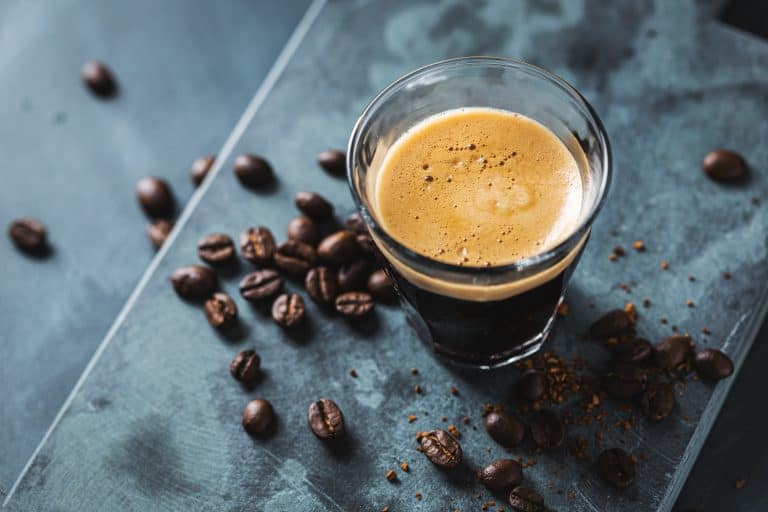
Caffeine is one of the most researched and effective substances for improving your athletic performance. Whether you're running, practising BJJ, or competing in any other sport, caffeine can help you perform better. But how exactly does it work, when should you take it, and how much do you need?
What is caffeine and how does it work?
Caffeine is a substance that occurs naturally in coffee and tea. It is also found in certain plants such as guarana. Caffeine is added to energy drinks. You can think of it as a kind of brake-blocker in your brain.
Normally, your body produces a substance that signals you are tired. Caffeine blocks this fatigue signal, making you feel more alert and fitter. Additionally, caffeine causes your body to produce more adrenaline, which puts you in a heightened state of readiness. Ideal for sports!
How does caffeine affect your sporting performance?
Carry on longer: In endurance sports such as running, cycling and swimming, caffeine improves performance by an average of 2–3 minutes. That may not sound like much, but in a 3-hour marathon, it makes a difference of almost 4 minutes. Recent research from 2022, focusing specifically on runners, confirms that caffeine enhances performance in both recreational and trained runners (https://pubmed.ncbi.nlm.nih.gov/36615805/).
More power and strengthCaffeine provides you with more strength and explosiveness. Recent research from 2024 shows that athletes become stronger and have more endurance after caffeine, especially in their upper body but also in their legs.https://www.mdpi.com/2072-6643/16/8/1146).
Better focusBesides the physical benefits, caffeine also improves your reaction time, concentration and decision-making during sport. This is very important in technical sports and team sports.
Experience less painCaffeine dampens the sensation of pain, making it easier to get through intense moments and push harder.
How much and when?
The timing
Caffeine reaches its peak in your blood approximately 45 to 60 minutes after you consume it. If you have training at 7 PM, then drink your coffee between 6 PM and 6:15 PM. If your marathon starts at 10 AM, make sure you have your caffeine by around 9 AM.
The effect lasts between 3 and 5 hours. For workouts up to 2 hours, one dose, equivalent to drinking 2-3 cups of coffee an hour beforehand, is sufficient. Are you exercising for longer? Then you can take more caffeine on the go. For a four-hour marathon, you can start with your normal dose, and then take a caffeine gel after an hour and a half. This second dose will then start to work around 2 hours and 15 minutes, precisely when your body starts to struggle.
The amount
This depends on your body weight. Do you weigh around 60 kilograms? Start with two cups of filter coffee or three espressos (approximately 160-240 mg). For someone weighing 75 kilograms: two to three cups of coffee or one 200 milligram caffeine pill. Heavier athletes around 90 kilograms: three cups of coffee (240-300 mg) or one and a half caffeine pills.
Always start at the bottom and only build up if you don't experience any side effects. For competitions, caffeine pills or sports gels are more convenient. You know exactly how much you're taking in and don't need to go to the toilet just before the start.
What's in what?
- Espresso: 60-80 mg
- Brew filter coffee: 80-120 mg
- Red Bull (250ml): 80 mg
- Caffeine pill: 200 mg
- Take tea: 30-50 mg
Do you like caffeine?
Yes, but that doesn't mean caffeine stops working. If you drink 3-4 cups of coffee every day, your body gets used to it. The effect is a bit less strong, but you'll still perform better with caffeine than without.
To maximise the effect for an important match, stop consuming caffeine 3-5 days beforehand. Please note: you might experience withdrawal symptoms such as headaches and fatigue. Therefore, you shouldn't do this too close to your match.
Side effects and safety
The European Food Safety Authority (EFSA) has determined that up to 400 milligrams of caffeine per day is safe for healthy adults. That's equivalent to around 3-4 cups of filter coffee per day. For sports, you often use 200 milligrams at once (about 2 cups of coffee).
But these are general guidelines. In practice, individual tolerance varies enormously. Some people easily drink 6-8 cups a day without problems, while others get nervous from just 2 cups. This is because some people metabolise caffeine genetically faster than others. Your body also gets used to caffeine. Regular coffee drinkers can tolerate higher doses.
Please note these side effects:
- Stomach complaints and needing to go to the toilet
- Heart palpitations and nervousness
- Poorer sleep (do not use caffeine within 6-8 hours of bedtime)
Good to know Caffeine is not on the doping list, so you can use it during competitions.
Practical tips
Test first during trainingNever try caffeine for the first time just before an important competition. Test it a few times during training sessions.
Combine with carbohydratesFor endurance sports, caffeine works even better in combination with carbohydrates. Many sports gels therefore contain both.
Beware of hidden caffeineCaffeine is also found in chocolate, cola, pre-workout supplements and some painkillers. Add it all up.
AlternativesIf caffeine doesn't work for you, there are plenty of other ways to improve your performance. Consider a good pre-workout meal, sufficient hydration, or other supplements that suit your sport. Want to know more? Feel free to get in touch.
Conclusion
Caffeine is one of the best and most researched substances for improving your athletic performance, provided you use it wisely. The rule of thumb: take the equivalent of 2-3 cups of coffee 45-60 minutes before your training or competition, and you will notice that you can endure longer, are more powerful, and stay better concentrated.
My reluctance as a sports nutrition coach
Although caffeine is scientifically proven to be effective, as a sports nutrition coach I am hesitant to advise caffeine supplementation. The average Dutch person already drinks 3.6 to 3.8 cups of coffee per day: approximately 360-380 milligrams of caffeine, close to the maximum daily limit of 400 milligrams.
If you're already drinking 3-4 cups of coffee daily and on top of that take an extra 200-300 milligrams for sports, you're well over the general guideline. This increases the risk of side effects. Furthermore, your body gets used to caffeine, which diminishes its performance-enhancing effect for sports.
This is why I often advise athletes to replace one or two cups of coffee with caffeine at the right time (45-60 minutes before your training) on training days, rather than piling even more on top. For occasional coffee drinkers, targeted caffeine supplementation for sport is an excellent choice. They benefit maximally without already being at their daily limit.
Don't forget that caffeine isn't a miracle cure. It works best as a supplement to good training, a healthy diet, and sufficient recovery. Test it out and discover what works best for you, without jeopardising your health.
Would you like to know more about how to optimally use caffeine and other aspects of sports nutrition for your specific sport and goals? Then get in touch for personal sports nutrition advice.
Get more out of every workout
Discuss your situation during a personal initial consultation.