
Blog Carbohydrates, Proteins and Fats
On this blog page, as a sports nutritionist, I share practical knowledge about basic nutrition, sports-specific nutrition, and supplements for all athletes who want to improve their performance. Here you will find concrete tips and advice that you can immediately apply to your sporting routine.
Metabolic flexibility: what is it and how to improve it as an athlete? | DEEP DIVE
Most of what I do as a sports nutrition coach is practical. What do you eat before a workout? How many carbs do you need? When does a protein shake make sense? I try to make the science as concrete and applicable as possible, because ultimately, that's what you'll benefit from. But sometimes it's also valuable to take a step back and understand how and why something works…


From plate to muscle: how do carbohydrates actually end up in your muscles? | DEEP DIVE
On this blog, I've written a lot about carbohydrates and energy: when to eat them, how much you need, and which types work best around your training. But there's one thing I've never really explained: what happens behind the scenes happens. How do those carbohydrates actually get from your plate to your muscles?…
Fast and slow carbohydrates: timing is everything for athletes
As a sports nutrition coach, I regularly get asked about carbohydrates. “Should I eat fast or slow carbohydrates?” and “When should I eat which?” are common questions. The answer lies not so much in what you eat, but primarily in when You eat it...
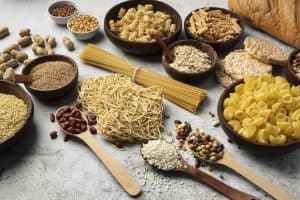
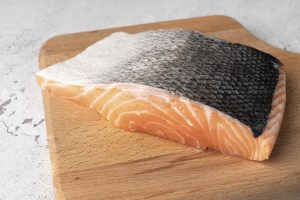
Why fat in sports nutrition can actually improve your performance
As a sports nutrition coach, I often get asked if fat is good or bad for athletes. The answer? Fat in sports nutrition is indispensable for your body. In fact, eating too little fat can actually impair your performance. Time to put this undervalued macronutrient in the spotlight...
How athletes use carbohydrates smartly for peak performance and faster recovery
Carbohydrates often get a bad rap. Fattening, unhealthy, unnecessary – it's the stories you hear. But as a recreational or amateur athlete, you're doing yourself a disservice if you leave them out. It's not about *whether* you eat carbohydrates as an athlete, but *when* and *which ones*. Learn here how sports nutrition with carbohydrates can improve your performance…


Stop the protein overdose
As a sports nutrition coach, I see it all the time: people filling their fridges with protein shakes and planning their days around protein intake. “More is better, right?” they often ask me. In my consultations, I regularly see athletes consuming 150-200 grams of protein daily, convinced that this is their ticket to success. Well, not necessarily...
Get more out of every workout
Discuss your situation during a personal initial consultation.