
Why fat in sports nutrition can actually improve your performance
Published: 27 August 2025
Last updated: 2 September 2025
Reading time: 6 minutes
Categories Carbohydrates, Proteins and Fats
As a sports nutrition coach, I often get asked whether fat is good or bad for athletes. The answer? Fat in sports nutrition is indispensable for your body. In fact, eating too little fat can actually impair your performance. It's time to put this undervalued macronutrient in the spotlight.
The vet is not an enemy but an ally
For years, we thought fat was the culprit. Fortunately, we now know better. Fat plays a crucial role in your body. It aids in the absorption of vitamins A, D, E, and K, protects your organs, and regulates your hormonal balance. The latter is particularly important for athletes. Testosterone, for example, which is essential for muscle repair and growth, requires fat to be produced.
Research shows that athletes whose fat intake accounts for less than 20% of their total calorie intake have significantly lower testosterone production. A study https://pubmed.ncbi.nlm.nih.gov/33741447/ showed that men who reduced their fat intake to 20% of their total calorie intake or less experienced a 10–15% drop in their testosterone levels.
Fat is also an important energy source. With 9 calories per gram, it provides more than twice as much energy as carbohydrates or protein. But there's a catch: fat provides this energy slowly. Your body needs time to convert fat into usable energy. That's why your body primarily uses fat during endurance sports at low to moderate intensity. Think of a gentle long-distance run, walking, or a cycling tour where you can still chat.
This is where it gets interesting for athletes. Your body constantly switches between burning carbohydrates and fats. At low intensity, such as walking or cycling at a gentle pace, you get around 50 to 60 percent of your energy from fat. When you increase the intensity, carbohydrate burning takes over.
The turning point for recreational athletes often lies around 50 to 65 percent of your maximum heart rate, but this varies greatly from person to person and training level. For well-trained endurance athletes, this turning point can even shift to 70 to 75 percent. Above this intensity, your body primarily uses carbohydrates because they provide energy more quickly.
This inflection point is trainable. Research https://jissn.biomedcentral.com/articles/10.1186/s12970-018-0207-1 has shown that well-trained endurance athletes can increase their fat burning by 30–40% by focusing their training on lower intensities.
When you train regularly at a low intensity, you shift this "turning point". You become more efficient at burning fat and can continue for longer on your fat reserves. This is ideal for that long bike ride or half marathon. This adaptation explains why ultramarathon runners and Ironman athletes often perform excellently despite a limited carbohydrate intake during competitions.
Teaching your body to efficiently use fat as fuel is a process that takes about 3-6 weeks of consistent training in the lower heart rate zones. During this period, your muscles undergo significant changes. The powerhouses of your muscle cells will become larger and more numerous. Additionally, your body becomes better at converting fat into energy. Research https://www.frontiersin.org/journals/physiology/articles/10.3389/fphys.2018.00599/full shows that well-trained athletes can burn up to 50% more fat per minute than untrained individuals.
These adjustments directly benefit your sporting performance. Your carbohydrate reserves are spared for longer, which is crucial for sustained efforts. Furthermore, you will experience fewer energy dips and will need to refuel less often during long training sessions or competitions.
How much fat do you need and when?
For most recreational athletes, I advise about 25 to 35 percent of your daily calories to come from fat. Do you exercise for an hour four times a week? Then around 1 gram of fat per kilogram of body weight will work perfectly. So, if you weigh 70 kilograms, you're talking about approximately 70 grams of fat per day.
But be aware, the exact amount is tailored to you. It depends on your training intensity, sporting goals, body composition, and personal metabolism. A marathon runner has different needs than someone who exercises three times a week.
For endurance athletes who regularly undertake training sessions lasting more than 90 minutes, a higher fat intake of 35–40% of total calories may be beneficial. Research https://pubmed.ncbi.nlm.nih.gov/15212756/ shows that athletes with a higher fat intake (35% vs 20%) became more efficient at burning fat and were less reliant on additional energy during prolonged exercise.
Too much fat can cause stomach upset during exercise. Therefore, do not eat a fatty meal just before your training. Give your body at least 2 to 3 hours to digest fat.
The timing of fat consumption is crucial for athletes. For high-intensity or short-duration training sessions, fat is not the ideal fuel. Your body requires quick energy from carbohydrates. For such training sessions, it's best to avoid consuming large amounts of fat in the 3-4 hours beforehand.
For long, steady endurance training, a little fat can actually be beneficial. A small amount of nuts or a piece of cheese 1-2 hours before your workout can be useful, provided you are training at low to moderate intensity where your body can still effectively burn fat. After training, fat is especially important for the absorption of fat-soluble vitamins and hormone production.
Choose quality and maximise your recovery
Not all fats are equal. Focus on unsaturated fats from nuts, seeds, avocado, vegetable oils, and oily fish. These fats help to reduce inflammation in your body and support your overall health.
Omega-3 fatty acids deserve special attention for athletes. These have proven properties that counteract inflammation and can shorten recovery times. Research https://jissn.biomedcentral.com/articles/10.1186/s12970-020-00405-1 Show that athletes who took omega-3 experienced less muscle soreness after intensive training.
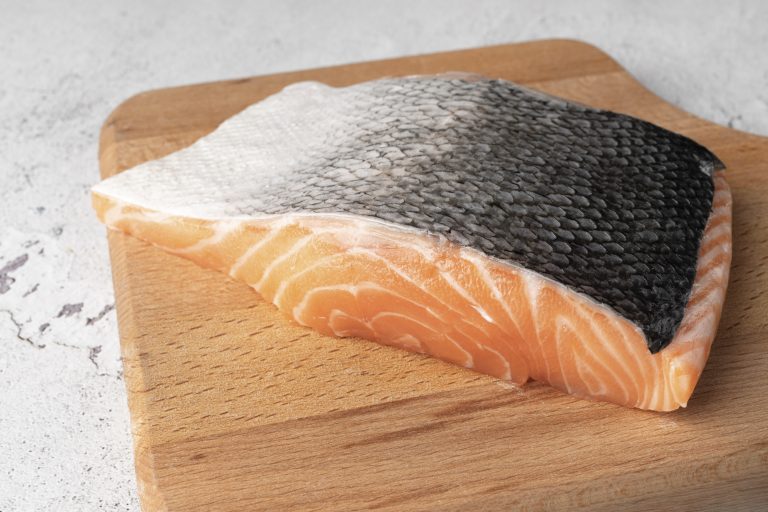
Oily fish such as salmon, mackerel, and herring are the best sources. Are you vegetarian? Then you can get omega-3 from walnuts, chia seeds, flax seeds, and hemp seeds. Sprinkle a tablespoon of ground flax seeds into your breakfast. Your body can better absorb the omega-3 from ground seeds.
You don’t need to avoid saturated fats entirely, but keep your intake to a maximum of 10% of your total calorie intake. Coconut, butter and meat contain mainly saturated fats. These are less beneficial for your cholesterol profile and can promote inflammatory processes.
For optimal recovery after training, your body requires fat for the production of important recovery hormones. Research https://www.mdpi.com/2072-6643/16/13/2044 shows that athletes who ate a meal with healthy fats after training had better results for muscle growth compared to athletes who only ate carbohydrates and protein.
Start your day with nut butter on your bread. Throw a handful of nuts into your yoghurt. Bake your vegetables in olive oil. Eat fatty fish twice a week, or opt for hummus with vegetables. For long endurance training at a steady intensity, a handful of nuts or a piece of cheese works well as a snack.
Avocado is an excellent source of monounsaturated fats and fits perfectly into sports nutrition. Use it as a spread on your sandwich or add it to smoothies for extra creaminess and nutritional value.
Don't forget coconut oil either. Although it mainly contains saturated fats, it has special fats that can be converted into energy more quickly than ordinary fats. These can therefore be useful for endurance athletes.
From myth to practice
The sporting world has long held onto the notion that fat is detrimental to performance. This myth originated in the 80s and 90s when carbohydrates were seen as the ultimate fuel. We now know that a balanced approach is much more effective.
Modern athletes such as ultramarathon runners and Ironman athletes train their bodies to burn fat efficiently. This allows them to be less reliant on external energy sources during competitions.
Fat in sports nutrition deserves a permanent place. Stop avoiding fat and embrace this important nutrient. Your body and your performance will thank you. By consuming the right amount and the right type of fat at the right time, you will not only optimise your energy supply but also your recovery, hormone balance and overall health.
Get more out of every workout
Discuss your situation during a personal initial consultation.