
Are micronutrients the missing link in your sports nutrition?
Published: 11 April 2026
Last updated: 11 April 2026
Reading time: 6-8 minutes
Categories General
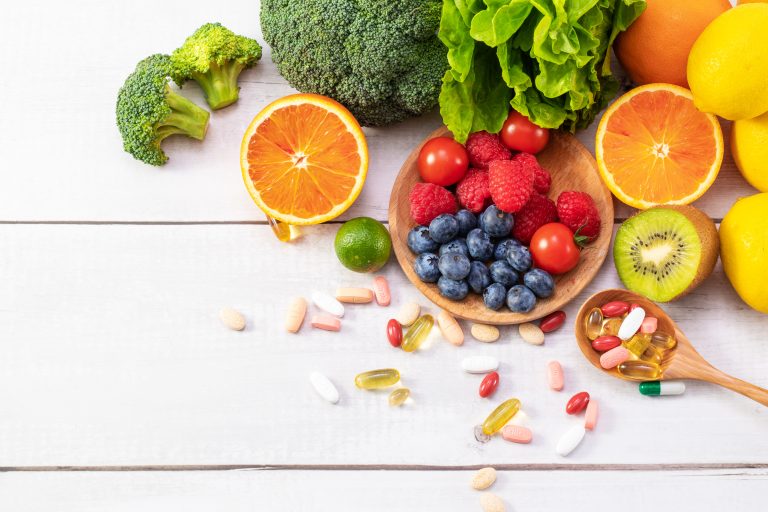
On this blog, I write a lot about macronutrients: carbohydrates, proteins, and fats. And that's for a good reason. They form the basis of your sports nutrition: the fuel for your training, the building blocks for your muscles, the energy that gets you through the day.
But there is a group of nutrients that receives far less attention, while they are at least as important: vitamins and minerals, also known as micronutrients.
They may sound less exciting than a new training plan or a protein shake. But they ensure that energy is released from food, that your muscles recover, and that your immune system stays in good shape.
And yet, for many athletes, they are a blind spot. You train regularly, you pay attention to your protein intake, you eat enough before your workouts, and yet you sometimes don't feel your best. Your recovery is slower than you'd like, your legs feel heavier than usual, and your immune system lets you down during busy periods. Sound familiar? Micronutrients are likely playing a role in this.
In this article, you'll read which vitamins and minerals are most relevant for regular sportspeople, why they matter, and how you can easily get them through your daily diet.
Great moment: the new Wheel of Five is here
Last week, the Nutrition Centre launched the updated 'Schijf van Vijf' (Wheel of Five). After ten years, the model was updated on 9 April 2026, based on new scientific insights. One of the most striking changes is a greater emphasis on plant-based nutrition. Pulses are given a larger role, meat is further reduced, and for the first time, the 'Schijf van Vijf' also offers a fully plant-based eating pattern as an official option. (Source: voedingscentrum.nl/en/service/about-us/what-are-the-developments-in-the-wheel-of-five-.aspx
For me as a vegetarian, that's no surprise. I've been eating plant-based for years and notice daily that it's perfectly compatible with intensive sports. What you do need, however, is knowledge of where certain nutrients are found. And that certainly applies to micronutrients. That's why in this article I'm paying extra attention to plant-based sources.
Why athletes should pay extra attention to micronutrients
When you exercise, you demand more of your body than someone who moves little. Your muscles work harder, your metabolism runs faster, and your recovery processes are in full swing. This also has consequences for your need for vitamins and minerals.
Take a one-hour evening training session. You'll lose not only fluids through sweat, but also minerals like magnesium and zinc. Your body burns energy, a process that can't happen without B vitamins. Your muscles get slightly damaged and need to recover, something for which iron and zinc are essential. And while you sleep, your immune system works overtime, partly driven by vitamin D and vitamin C.
Athletes who eat a limited, varied diet risk minor deficiencies that aren't immediately noticeable but can indeed affect their performance. Not spectacular, but subtle: slightly less energy, slightly slower recovery, slightly more prone to minor injuries.
If you eat a varied and balanced diet, as an athlete your higher calorie intake will automatically mean you consume more micronutrients. However, there are a few specific vitamins and minerals that athletes frequently fall short on.
The seven micronutrients that matter most to athletes
1. Vitamin D – the sunshine vitamin that works indoors too
Vitamin D plays a key role in strong bones, good muscle function and a robust immune system. There is evidence that a good vitamin D status contributes to faster recovery after strenuous training, although the evidence for this is less strong in recreational athletes than in elite athletes.
The problem for Dutch athletes is that, from September to April, the sun is too low in the sky for the body to produce vitamin D. This applies to everyone, but athletes who train mainly indoors – whether at the gym, swimming or practising martial arts – are at particular risk. Research conducted by Wageningen University on behalf of NOC*NSF among 128 Dutch elite athletes revealed that 70% did not reach the desired vitamin D level for athletes by the end of winter. That figure relates to a target level for elite athletes, which is higher than the general Health Council of the Netherlands guideline, but it does show how common low vitamin D levels are, even among active people. (Source: sportzorg.nl/news/archive/vitamin-d)
Getting Vitamin D through diet is difficult. The Health Council advises a daily intake of 10 micrograms for adults, and supplementation is sensible for many people in autumn and winter. When in doubt, have your levels checked by your GP. (Source: voedingscentrum.nl/encyclopedia/vitamin-d.aspx)
Sources: oily fish (salmon, mackerel, herring), eggs, fortified margarine, and plant-based milk.
2. Iron – without enough iron, you won't get far
Iron ensures that oxygen is transported to your muscles via your blood. A deficiency is immediately noticeable: you get tired more quickly, your stamina decreases, and your recovery becomes more difficult. Some people feel chronically tired without understanding why. And a low iron level is one of the most underestimated causes of this.
Women who menstruate are at increased risk due to monthly blood loss. Runners are too: with every stride, red blood cells are destroyed by the impact on the foot, a phenomenon known in science as foot strike haemolysis. This, along with iron loss through sweat, contributes to a higher chance of deficiency in endurance athletes. (Source: journals.physiology.org/doi/full/10.1152/japplphysiol.00631.2001)
The recommended daily amount for women is 16 mg, and for men, it's 11 mg. During intensive endurance sports, the requirement may be higher. (Source: sportzorg.nl/sportvoeding/voeding/sporters-let-op-je-ijzer)
If you eat little meat, there's a simple trick: always combine iron-rich plant-based foods with something containing vitamin C. A scoop of lentils with half a red pepper, or a spinach salad with a little lemon juice. This way, your body absorbs the iron significantly better.
Vegetable sources: lentils, chickpeas, tofu, pumpkin seeds, spinach, wholemeal bread, dried fruit.
3. Magnesium – more than just cramps
Magnesium is often only associated with muscle cramps, but it does much more. It is involved in energy production, protein synthesis, and the functioning of your nervous system. A mineral that works in the background with almost everything your body does during sport.
During intense exercise and a lot of sweating, you lose magnesium. Complaints of a slight deficiency are subtle: slower recovery, poorer sleep, muscle twitches, or becoming fatigued more quickly. Symptoms that athletes often attribute to overtraining, while nutrition occasionally turns out to be the culprit.
Plant-based sources: almonds, cashews, pumpkin seeds, dark chocolate (70%+), spinach, whole grains, pulses.
4. Calcium – not just for your bones
Calcium is known to you as the mineral for strong bones. But it also plays a direct role in every muscle contraction you make. Every step while running, every rep in the gym. Calcium is involved.
For athletes whose bones endure a lot, such as runners and martial artists, sufficient calcium is extra important to prevent stress fractures. Vitamin D aids in the absorption of calcium: the two work together.
The new Wheel of Five advises alternating more often with plant-based dairy alternatives. Fortified plant-based milk is an excellent source of calcium. Check the packaging to see if calcium has actually been added, as not every variety does this.
Plant-based sources: fortified soya or oat milk, tofu made with calcium sulfate, kale, broccoli, tahini, almonds.
5. B vitamins – the energy helpers
B vitamins are not an energy source in themselves, but without them, your body cannot efficiently release energy from carbohydrates, fats, and proteins. They are, so to speak, the keys that get your metabolism going.
For people who eat few or no animal products, vitamin B12 is a specific area of concern. B12 is found almost exclusively in animal products. A deficiency develops slowly but its effects – fatigue, muscle weakness, concentration problems – are quite noticeable, especially when exercising. The new 'Schijf van Vijf' (Wheel of Five) also points out that with a completely plant-based diet, you must pay extra attention to B12. (Source: radar.avrotros.nl/artikel/zo-ziet-de-vernieuwde-schijf-van-vijf-eruit-62558)
Plant-based sources: most B vitamins are found in abundance in whole grains, legumes, nuts, bananas, and leafy greens. B12 is the exception: supplement this if you eat a vegetarian or vegan diet, or consistently use fortified products such as plant-based milk or nutritional yeast.
6. Zinc – the silent restorer
Zinc supports your immune system, aids in the production of new proteins, and plays a role in repairing minor muscle damage after training. Athletes who sweat a lot and have a one-sided diet can gradually develop a mild zinc deficiency.
A point of attention for plant-based eaters: certain substances in grains and legumes can slightly inhibit zinc absorption. Soaking legumes beforehand or opting for fermented products like tempeh improves absorption. Tempeh is also in the updated Wheel of Five as a recommended plant-based protein source. A nice bonus!
Plant-based sources: pumpkin seeds, hemp seeds, cashews, tahini, legumes, whole grains, tempeh.
7. Vitamin C & E – protection after heavy training
Intense exercise temporarily increases the amount of free radicals in your body: substances that can cause cell damage. Vitamins C and E help to counteract this. Vitamin C does something extra too: it improves the absorption of iron from plant-based food and contributes to the repair of tendons and cartilage.
This concerns intake via diet, not high doses as a supplement. Fortunately, fruits and vegetables are the richest sources, so for plant-based eaters, this can be easily managed through daily meals.
Plant-based sources of vitamin C: red pepper, kiwi, strawberries, broccoli, orange. Vitamin E: sunflower seeds, almonds, hazelnuts, avocado, spinach.
As a recreational athlete, should you take supplements?
The honest answer: probably not for most micronutrients. If you eat a varied diet, lots of vegetables, fruit, legumes, nuts, whole grain products, and your energy intake matches your training load, then you'll get a very long way.
But there are three exceptions where supplementation is beneficial for almost every athlete in the Netherlands:
Vitamin D from September to April. During that period, your body produces very little vitamin D from sunlight.
Vitamin B12 if you eat a vegetarian or vegan diet. This cannot be solved through plant-based food alone.
Iron in women who menstruate and exercise a lot. Get this checked by your GP if you regularly feel tired.
Remember: supplements are a supplement, not a replacement. You can't compensate for a one-sided diet with pills. Always start with your plate.
More micronutrients in your day: how to do it
You don't need to completely overhaul your diet. Small adjustments can already make a big difference. Add a handful of pumpkin seeds or almonds to your breakfast or as a snack. This way, you'll get iron, magnesium, and zinc all at once. Choose fortified plant-based milk if you consume little dairy, but check the packaging to ensure calcium and vitamin D have actually been added. Make legumes a regular part of at least three meals per week: lentil soup, hummus, a chickpea curry, or edamame as a snack. This aligns nicely with the new 'Schijf van Vijf' (Wheel of Five), which gives legumes a larger role in our daily eating patterns. Squeeze some lemon over your spinach or add bell pepper to a meal with legumes. Vitamin C noticeably improves iron absorption. And eat as colourfully as possible: every colour of vegetable represents different micronutrients.
Finally
Micronutrients are the quiet engine behind your athletic performance. They don't give you a direct energy boost, and you only notice a deficiency once it's been going on for a while. But they ensure that everything you do, training, eating, sleeping, can actually do its job.
The basics aren't complicated: eat a varied diet, have plenty of colour on your plate, and be aware of the few vitamins and minerals that athletes are more likely to be deficient in. The new ‘Schijf van Vijf’ (Five-a-day food wheel) points in the same direction: more plant-based and more variety. As an athlete, you can easily align with that.
Do you want to know exactly where you stand with your diet? In a Personal sports nutrition advice We'll look at your situation, your training, and your diet together.
Free Masterclass Sports Nutrition Basics Would you like to learn more about how nutrition influences your performance? Sign up for the free monthly Masterclass Sports Nutrition Basics from TWINDO Sports Nutrition. Click here to sign up.
Get more out of every workout
Discuss your situation during a personal initial consultation.