
Losing weight without sacrificing your athletic performance: is that actually possible?
Published: 18 January 2026
Laatst bijgewerkt: 18 januari 2026
Reading time: 8-10 minutes
Categories General
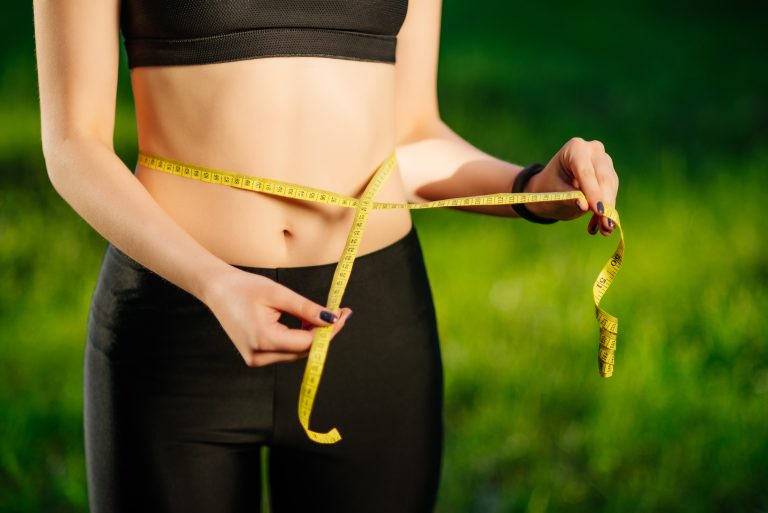
As a sports nutrition coach, I get asked this question at least once a week. A runner who feels they need to shed those last few kilos of fat to achieve a faster time. A BJJ practitioner wanting to drop to a lower weight class without losing strength. Or simply a recreational athlete who wants to slim down but not sacrifice their training results. They all want the same thing: to become lighter, but not weaker. And therein lies the problem.
Because let's be honest, losing weight means you consume fewer calories than you burn. A calorie deficit. And your body needs those calories to perform. But fortunately, recent research shows that it is possible to lose weight without losing all your performance. It just requires a smart approach. No extreme crash diets, but a well-thought-out strategy where you know exactly what you're doing.
Why is losing weight so difficult for athletes?
There's a fundamental difference here compared to someone who doesn't do sports. If you're not active and want to lose weight, it's mainly about eating less. Done. But as an athlete, you don't just want to become lighter; you also want to maintain your performance. You want to keep running that 10k in the same time. You still want to keep up with your training buddies on the group ride. You want to maintain your strength during sparring. And that's where it gets complicated.
Because if you eat less, your body has less fuel. Research on athletes shows that speed and power are particularly sensitive to a calorie deficit. You'll notice that intensive intervals feel tougher, your explosiveness decreases, and recovery takes longer. A systematic review from 2023 on weight loss in martial artists (https://www.mdpi.com/1660-4601/20/6/5158shows that rapid weight loss significantly reduces performance, especially in explosive strength and endurance.
In addition, there is another risk: muscle loss. When your body doesn't get enough energy, it starts looking for alternatives. Unfortunately, muscle tissue is one of the first things your body begins to use. With rapid weight loss, up to fifteen percent of the lost weight can be muscle mass. That is precisely what you don't want.
The key: gradual weight loss with high protein intake
The good news? It's possible. If you approach it smartly, at least. Most recent research points to two critical factors: the speed of weight loss and your protein intake.
Let's start with the speed. Gradual weight loss is much better for maintaining performance than rapid weight loss. We're talking about a maximum of half a kilo to one kilogram per week, which corresponds to a calorie deficit of around 300 to 500 calories per day. That may feel slow, but it's exactly what your body can handle without your athletic performance suffering. With faster weight loss, endurance athletes lose their stamina and strength athletes see their strength decrease.
And then there's protein. This is really the difference between losing weight successfully and becoming lean but weak. A comprehensive review article from November 2025 (https://www.mdpi.com/2072-6643/17/22/3528confirms that when you are in a calorie deficit, your protein needs increase. The recommended protein intake for athletes wanting to lose weight is between 1.8 and 2.7 grams per kilogram of body weight per day. With a very large calorie deficit or intensive training, this can even rise to 2.3 to 3.1 grams per kilogram of lean body mass. For comparison, as an athlete, you would normally be between 1.4 and 2.0 grams.
Why is that difference so large? Extra protein during a calorie deficit does two important things. Firstly, it protects your muscle mass. Your body gets enough building blocks to maintain muscle tissue, even if your total energy intake is lower. Studies on trained athletes show that athletes with a protein intake of 2.3 grams per kilogram lost significantly less muscle mass than athletes with 1.0 gram per kilogram, while both groups lost comparable amounts of fat. Secondly, protein ensures you feel fuller for longer, making it easier to stick to your diet.
Macronutrient ratios: finding the right balance
Now it's getting practical. Because it's not just about eating less, but mainly about what you eat. The distribution of your macronutrients needs to change if you want to lose weight without losing performance. And that distribution depends heavily on your type of sport.
For endurance athletes (runners, cyclists, swimmers) who normally get 50 to 60 percent of their calories from carbohydrates, this shifts during weight loss to about 40 to 45 percent carbohydrates, 30 to 35 percent protein and 25 to 30 percent fat. This shift comes primarily at the expense of carbohydrates, not fat.
Imagine you’re a 70-kilogram runner who normally burns 2,800 calories a day. To lose weight, you’ll cut this down to 2,300 calories. You’ll then divide these as follows: approximately 230 grams of carbohydrates (40%, or 3.3 grams per kg), 190 grams of protein (33%, or 2.7 grams per kg) and 70 grams of fat (27%). On training days, your carbohydrate intake may be higher, towards 3.5 to 4 grams per kilogram.
For Strength Athletes (bodybuilders, CrossFit athletes, BJJ practitioners) who normally consume 40 to 50 per cent carbohydrates place an even greater emphasis on protein. Here, the breakdown shifts to approximately 35 to 40 per cent carbohydrates, 35 to 40 per cent protein and 25 to 30 per cent fat. For an 80-kilogram strength athlete reducing their calorie intake from 3000 to 2500, this means: approximately 230 grams of carbohydrates (37%, or 2.9 grams per kg), 240 grams of protein (38%, or 3.0 grams per kg) and 70 grams of fat (25%).
For team sports players (footballers, hockey players, basketball players) who normally consume 45 to 55 per cent carbohydrates fall somewhere in between. These sports require both explosive power and endurance, so you need a balance: around 40 to 45 per cent carbohydrates, 30 to 35 per cent protein and 25 to 30 per cent fat. For a 75-kilogram footballer reducing their calorie intake from 2900 to 2400, this means: approximately 240 grams of carbohydrates (40%, or 3.2 grams per kg), 190 grams of protein (32%, or 2.5 grams per kg) and 75 grams of fat (28%).
These ratios are not rigid. You adjust them based on your training intensity, competition schedule, and individual response. The most important thing is that protein goes up, total calories go down, and you use carbohydrates strategically.
Timing and distribution of protein
But it's not just about how much protein you consume; when and how you eat it also makes a difference. Spreading your protein intake throughout the day is much more effective than one or two large portions.
The practical translation? Ensure each meal contains approximately 0.25 grams of protein per kilogram of body weight, which equates to 20 to 40 grams of protein per meal for most athletes. This means at breakfast, lunch, and dinner, plus a snack if necessary. Therefore, not just a large piece of meat at dinner, but also provide good protein sources at your breakfast and lunch. Think of eggs for breakfast, Greek yogurt as a snack, and a cheese and egg sandwich or a chicken salad for lunch.
It's also smart to get protein in within three to four hours after your training. The combination of a training stimulus and protein intake is most effective for muscle building and recovery. This doesn't have to be perfect timing within 30 minutes; that whole “anabolic window” idea is outdated, but try to eat a protein-rich meal within a few hours after your training.
Carbohydrates: strategic deployment
This brings me to a point that I often encounter in my practice: athletes who want to lose weight immediately drastically reduce their carbohydrates. Big mistake. Yes, you need to eat fewer calories and yes, carbohydrates are the first to be considered for reduction, but you still need them for intensive efforts.
Recent research shows that even with a significant calorie deficit, athletes can maintain their performance if they consume enough carbohydrates during training.https://journals.physiology.org/doi/full/10.1152/ajpendo.00418.2024The trick, therefore, isn't to completely cut out carbohydrates, but to plan them strategically. You eat more carbohydrates around training times, and fewer on rest days.
For an endurance athlete who trains four to five times a week, this means specifically: on training days, 3 to 4 grams of carbohydrates per kilogram of body weight, and on rest days, 2 to 3 grams. For strength athletes, this is slightly lower: 2.5 to 3.5 grams on training days, and 2 to 2.5 grams on rest days. This periodic approach is much more effective than a uniform low intake.
Practical tips that really work
Right, the theory is nice, but how do you put that into practice? Here are the main things I help my clients with:
Create a small calorie deficit of 300 to 500 calories. No more. This leads to the half to one kilogram of weight loss per week we spoke about earlier. Use an app such as MyFitnessPal, Cronometer or Mijn Eetmeter (which I use myself in my practice) to track what you're eating for a few days, then you'll get a good idea of where you are and what you need to adjust.
Calculate your macronutrients based on your sport. Use the ratios I mentioned above as a starting point. For endurance athletes: 40% carbohydrates, 33% protein, 27% fat. For strength athletes: 37% carbohydrates, 38% protein, 25% fat. For team athletes: 40% carbohydrates, 32% protein, 28% fat. Adjust these based on how you feel and perform.
Eat enough protein at every meal. Make every meal a protein-rich meal. Breakfast with eggs or quark, lunch with chicken or beans, dinner with fish or tofu. And don't forget your snacks: Greek yoghurt, nuts, or a protein shake after your workout. Aim for 20 to 40 grams of protein per meal.
Plan your carbohydrates around your training. Eat a meal rich in carbohydrates two to three hours before your training. Think about oats, wholemeal bread, potatoes or rice. Have carbohydrates again immediately after your training, combined with protein. On rest days, you reduce carbohydrates but don't eliminate them entirely. Good sources include wholemeal products, potatoes, oats and fruit.
Be patient and consistent. This might be the most important tip. Weight loss isn't linear. One week you might lose a kilogram, the next week nothing. That's normal. Ensure your training intensity doesn't decline. If you notice you're genuinely unable to perform at your usual level, your calorie deficit is probably too large.
Watch out for signs of overtraining. If you are constantly tired, recover poorly, sleep badly or get sick, you are asking too much of your body. A calorie deficit is stress for your body. Combine that with intensive training and you can end up in a downward spiral. Listen to your body.
Stay realistic
This is where my critical side comes out. Because although you can maintain your performance quite well during weight loss, there are limits. If you are already relatively lean and want to lose more fat, it becomes more difficult. The lower your body fat percentage, the greater the chance of muscle loss, even with a high protein intake.
And be honest with yourself: do you *really* still have kilos of fat to lose? Or are you chasing an unrealistic ideal image? Athletes, especially those in aesthetic sports or weight class sports, are at risk of a disturbed relationship with food and weight. It's not without reason that the sports world is increasingly calling for attention to food-related issues among athletes.
My advice? Work with a sports nutritionist or a dietitian who can help you stay realistic. Someone who can tell you when enough is enough. Because ultimately, sport is about enjoyment, health, and challenging yourself. Not about a number on the scales.
Conclusion
Losing weight without compromising athletic performance is possible, but it requires discipline and a smart approach. No drastic diets or quick fixes, but a gradual process focused on high protein intake, strategic carbohydrate consumption, and the right macronutrient ratios for your sport type. It takes longer than you'd like, but the results are sustainable, and you'll continue to perform throughout the process.
And that's ultimately what it's all about: not just getting lighter, but also staying stronger, faster, and healthier. Because what's the use of a lower weight if you can no longer do what you love?
Do you want personal advice on losing weight without sacrificing your performance? As a sports nutrition coach, I help recreational and amateur athletes achieve their nutrition goals without compromising training results. Together, we create a plan that suits your sport, training schedule, and goals. Get in touch via the Contact page for a no-obligation introductory meeting.
Get more out of every workout
Discuss your situation during a personal initial consultation.