
Electrolytes: what are they and when do you really need them as an athlete?
Published: 2 March 2026
Last updated: 2 March 2026
Reading time: 4-6 minutes
Categories Hydration
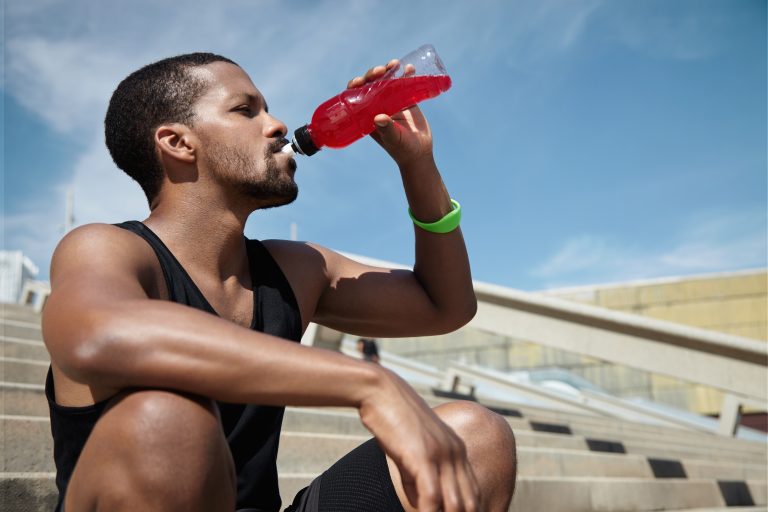
You're halfway through your run. Sweat is pouring off you, your legs feel heavy, and something in your calf is starting to twinge. You Google what might be going on at home and you read the same thing everywhere: you need electrolytes. But what exactly are electrolytes? And do you always need them as soon as you exercise? In this article, I'll explain it clearly, without any sales talk.
What are electrolytes?
Electrolytes are minerals that dissolve in water and gain an electric charge. That charge sounds technical, but it's essential: it allows your muscles to contract, your nerves to transmit signals, and for your body to distribute fluid properly between your blood and your cells.
The most important electrolytes for athletes are sodium (the biggest player in fluid balance and muscle function), potassium (works with sodium and is important for heart rhythm and muscle function), magnesium (supports muscle relaxation and energy metabolism), calcium (essential for muscle contraction and bone strength) and chlorine (helps regulate fluid balance and acidity in your body).
What do electrolytes do in your body?
Electrolytes are like the silent managers of your body: you don't notice them when everything is running smoothly, but as soon as they're out of sync, you'll notice it straight away. They regulate muscle contractions, support nerve impulses, and play a role in your energy metabolism. In short: without sufficient electrolytes, your body doesn't function optimally, especially during exercise.
You lose electrolytes when you sweat.
The main way you lose electrolytes is through sweat. And sweat isn't just water. It also contains significant amounts of sodium and smaller amounts of other minerals. How much you sweat and how many electrolytes you lose varies greatly from person to person. Factors like temperature, humidity, your genetics and your fitness level all play a part.
A useful rule of thumb: the saltier your sweat tastes, or the more white stains left on your sportswear, the more sodium you are losing.
When do you need extra electrolytes as an athlete?
You don't need to think about electrolytes with every workout. For a normal workout lasting less than an hour, water is usually sufficient. Your electrolyte reserves are large enough to cope. For sessions lasting 60 to 90 minutes, especially in the heat or at high intensity, supplementing becomes sensible, particularly with sodium. For endurance sports longer than 90 minutes, such as an (ultra)marathon, long cycling training, or multi-day events, targeted supplementation is truly important. A deficiency here can have serious consequences for your performance and recovery.
Signs of an electrolyte deficiency
Your body gives clear signals when the electrolyte balance is disturbed. These include muscle cramps, fatigue disproportionate to your effort, dizziness, headaches, or concentration problems. Note: cramps have multiple possible causes. An electrolyte deficiency is one of them, but fatigue and overuse also often play a role.
How do you replenish electrolytes?
The best source of electrolytes is regular food. You get sodium from bread, soup, or savoury snacks. Potassium is found in bananas, potatoes, nuts, and legumes. Magnesium is in nuts, seeds, whole grains, and green leafy vegetables. Calcium comes from dairy products or plant-based alternatives like fortified oat milk or tofu.
Supplementation via sports drinks or supplements only makes sense during prolonged or intensive exertion. Sports drinks have one clear advantage: they are easy to carry and consume during exercise itself. Eating a banana or nuts halfway through a run simply isn't always practical. However, be aware: not all sports drinks contain electrolytes. Always check the labels. Look for sodium and potassium in the ingredients list. Furthermore, be critical of the marketing! You simply don't need them for a normal one-hour training session.
Common mistakes
Many athletes only drink water during long training sessions. This sounds healthy, but if you sweat a lot and drink a lot of water without replenishing sodium, the sodium level in your blood can actually drop. This is called hyponatraemia and can lead to nausea, headaches, confusion, and extreme fatigue. In severe cases, it can even lead to cramps or loss of consciousness. Fortunately, it is rare in recreational athletes, but the risk increases with very long efforts such as a marathon or ultra-run.
Other common mistakes include taking too many supplements. Not every training session requires an electrolyte tablet. Or blindly trusting your thirst. Thirst is a delayed indicator: by the time you feel thirsty, you are already slightly dehydrated.
My own experience
I myself use Waterfuze (waterfuze.co.uk): an electrolyte powder that you dissolve in water. Since I've been using this, I no longer suffer from calf cramps and extreme fatigue during my training sessions. Very good, and for me, confirmation that targeted supplementation during heavy exertion can truly make a difference.
Conclusion
Electrolytes are essential for any athlete, but you don't always need them in ‘extra’ amounts. For training sessions shorter than an hour, normal food and water are perfectly fine. For longer sessions, warm weather, or intensive endurance sports, conscious replenishment is smart. Preferably, choose food: a banana, some salted nuts, or a sandwich afterwards. If eating isn't possible during exercise, then a sports drink with electrolytes is a practical and good substitute.
Would you like to know the right sports nutrition strategy for your training and goals? Take Contact Join one of the monthly Masterclasses Sports Nutrition Basics via this website. Then we will work together on your personal situation.
Get more out of every workout
Discuss your situation during a personal initial consultation.