
Hormones and sports nutrition: why your body sometimes seems to be sabotaging you (but isn’t)
Published: 29 July 2026
Last updated: 29 July 2026
Reading time: 4-5 minutes
Categories General
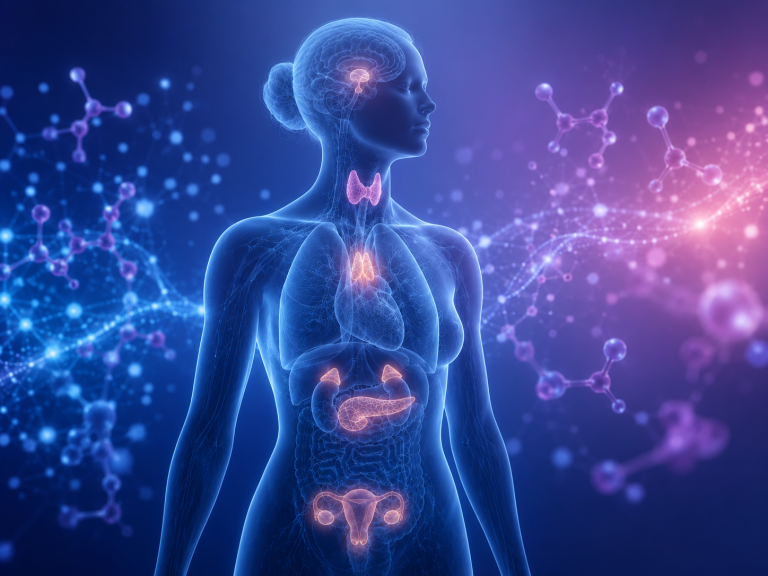
You eat sensibly, train consistently, and yet sometimes it feels as though your body has a mind of its own. One week you’re flying through your workouts; the next, every repetition is a struggle and you have an uncontrollable craving for carbohydrates in the evening. Before you jump to conclusions about motivation or willpower: this is often simply hormonal physiology at work. No mystery, no weakness: just a system doing exactly what it’s designed to do.
In this blog, I’ll be taking a closer look at cortisol, insulin, testosterone, oestrogen and growth hormone: the hormones that have the most direct impact on how you recover, perform and process food. No in-depth biochemistry, just practical insights you can put into practice today.
Cortisol: the bodyguard who’s sometimes a bit too keen
Cortisol has a bad reputation, but it’s not the enemy. It’s the hormone that ensures you wake up in the morning, that keeps your blood sugar levels stable during a long endurance session, and that releases energy into your body when needed. A sort of bodyguard that does exactly what it’s hired to do.
The problem only arises when cortisol levels are chronically elevated: due to the accumulation of training stress, sleep deprivation and everyday stress. That’s when the ‘bodyguard’ starts working overtime: it breaks down muscle tissue instead of protecting it, and recovery and fat burning are put on the back burner.
What you can do about this through your diet:
- Make sure you consume enough carbohydrates around high-intensity training sessions. Depleted glycogen stores are a direct trigger for cortisol release. Your body urgently needs fuel.
- Don’t go too long without eating after a tough session. A protein- and carbohydrate-rich meal within a few hours of training helps your body recover.
- Don’t underestimate magnesium. It plays a role in the stress response, and many athletes are consistently deficient in it.
Insulin: not the enemy that influencers make it out to be
Insulin has gained a reputation as a fat-storing hormone, partly thanks to people who have a vested interest in you buying their book. In reality, insulin is the hormone that directs nutrients to the right places. This includes your muscles, where it boosts glycogen storage and protein synthesis.
Around the time of your workout, insulin sensitivity is actually your best friend. Your muscles are wide open to absorb carbohydrates and amino acids, without this leading to fat storage. That window of increased sensitivity after exercise is precisely why the timing of your post-workout meal does matter, even though the “anabolic window” is often exaggerated as something that closes after just 30 minutes.
Practical information: A normal meal within 1–2 hours after training does most of the work. No need to panic, but you do need a plan.
Testosterone and oestrogen: not just relevant to bodybuilders
Testosterone plays a role in muscle building, recovery, strength and explosiveness. This applies to both men and women (yes, women produce it too, just in smaller amounts). Incidentally, the popular perception of testosterone as making people “aggressive” isn’t entirely accurate: it mainly makes you more competitive and assertive, not short-tempered. The latter only comes into play at unnaturally high doses. Chronic calorie deficiency, too little fat in the diet, or prolonged physical strain can suppress production. This is one of the reasons why extremely low-fat diets often backfire for endurance athletes: fat is a building block for hormone production, not superfluous ballast.
In women, the menstrual cycle also plays an important role. Oestrogen and progesterone levels fluctuate throughout the month and influence, amongst other things, carbohydrate intake, fluid balance and recovery time. During the luteal phase (after ovulation), the body burns relatively more fat and fewer carbohydrates, and calorie requirements may increase slightly. This is not an excuse, but it is useful information: planning more intense training blocks and nutrition in line with your menstrual cycle is now a serious field of research, not just a wellness trend.
Growth hormone and sleep: the most important recovery phase that costs nothing
Growth hormone is largely released at night, during the deep sleep phases. It stimulates tissue repair and fat metabolism. Any athlete who consistently cuts back on sleep to make room for extra training sessions – getting up early for a morning session or going to bed late after an evening training session – is therefore effectively compromising their recovery, no matter how good their diet is.
What you eat just before going to bed can also help here: a small portion of protein before bed (such as quark or a handful of nuts) provides amino acids to support the recovery process overnight.
The practical summary
Hormones aren’t mysterious forces working against you. They’re messengers that respond to what you give them: nutrition, sleep, training load and rest. You don’t need to have your hormone levels tested to manage them sensibly. Three things make the biggest difference:
- Eat enough, and at regular intervals – especially carbohydrates around training sessions. A chronic deficiency is the quickest route to hormonal imbalance.
- Don’t cut fat out of your diet out of fear of calories – it’s a building block, not a side issue.
- Treat sleep as part of your training programme, not as something that remains.
No miracle cures, no supplements that promise to “balance” your hormones. Just consistent, basic principles that give your body the chance to do what it does best.
Do you have any questions about how this will affect your sport and training programme? Please feel free to Contact Sign up for personalised sports nutrition advice.
Get more out of every workout
Discuss your situation during a personal initial consultation.